Gaming Zone at Events: Complete Guide from A to Z
Why a Gaming Zone Is a Great Addition to Any Event
Integrating a gaming zone into your event has become one of the most sought-after entertainment options, appealing to a broad audience from enthusiastic young gamers to seasoned professionals seeking a relaxed, fun atmosphere. Opting for gaming equipment rental allows you to create a comprehensive gaming experience without significant upfront investment. This guide offers practical, step-by-step advice on designing an engaging gaming zone that will truly inspire and entertain your event participants.
Types of Gaming Equipment
PC Gaming Stations
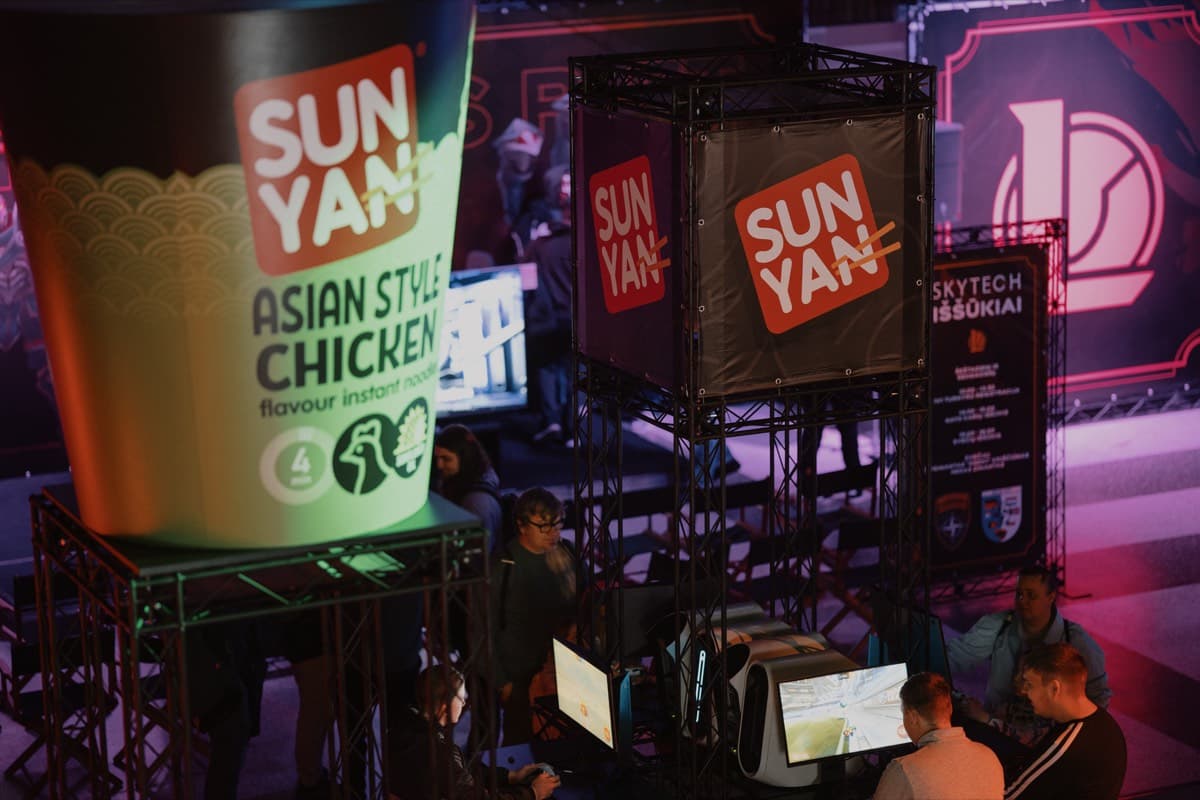
Powerful gaming computers form the cornerstone of any high-quality gaming zone. Equipped with advanced hardware such as RTX series graphics cards, monitors boasting 144Hz+ refresh rates, mechanical keyboards, and precision gaming mice, these stations deliver superior visual quality and performance. They also provide access to the widest possible game library. PC gaming stations are ideal for esports tournaments, corporate events catering to tech enthusiasts, and large-scale gaming festivals, with each station requiring approximately 1.5x1 meter of space for the desk, chair, and computer setup.
Console Stations
Featuring the latest generation PlayStation and Xbox consoles paired with large 50-inch or larger TVs or monitors and wireless controllers, console stations offer intuitive controls and a wide selection of games suitable for all age groups. Their local multiplayer mode makes them perfect for family days, informal corporate gatherings, and events for children and youth. Each console station typically needs about 2x2 meters of space, accommodating the TV, a couch or chairs, and sufficient movement area.
Racing Simulators
For those seeking an adrenaline rush, professional racing simulators provide a maximally realistic experience. These setups include a force feedback steering wheel, responsive pedals, a gear shifter, and often a motion platform, complemented by one to three screens for immersive visuals. They are an excellent choice for automotive industry events, active entertainment, and competitive racing tournaments, with each simulator requiring approximately 2x3 meters of floor space.
Esports Tournament Infrastructure
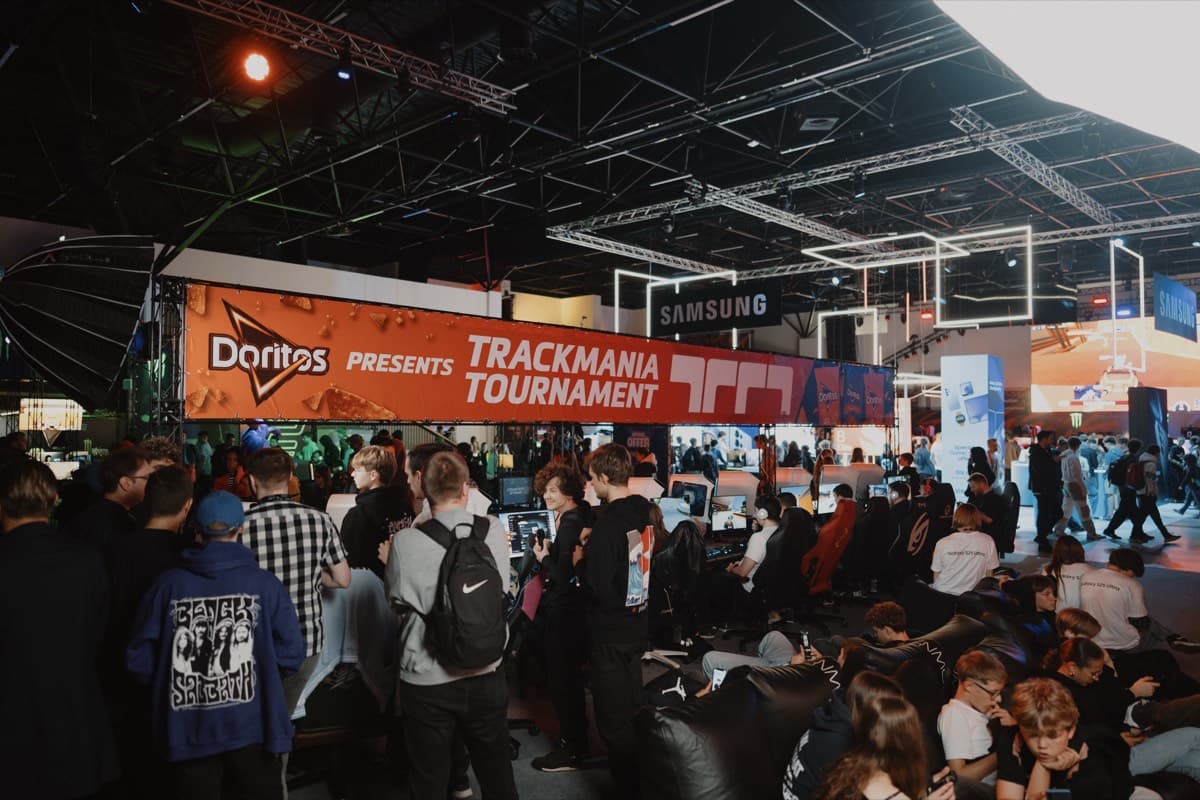
To host a truly professional competition, comprehensive esports tournament infrastructure is essential. This includes dedicated player stations, commentator desks, a large screen or LED wall for live broadcasts, and a high-quality audio system. Such a setup creates an authentic esports atmosphere complete with live commentary, real-time statistics, and formal award ceremonies. A small tournament for eight players typically requires a minimum space of 6x4 meters, while larger events will need 10x6 meters or more.
Space Planning
Zone Layout
Effective space planning is crucial for an inspiring gaming zone. You should designate a main gaming area for PC and console stations, ensuring adequate spacing between them. Racing simulators, being larger and potentially louder, should be placed in a separate zone. A dedicated spectator area around the gaming stations allows viewers to comfortably watch the action, and if a tournament is planned, a central stage with a large screen is indispensable. Additionally, a rest zone with comfortable seating offers participants a place to relax between gaming sessions.
Flow Management
Careful consideration of participant flow is vital for a smooth event experience. Ensure clear pathways from the entrance to registration, the gaming zone, and ultimately the exit. Avoid creating narrow aisles between stations that could cause congestion. Implementing a queue management system, such as numbered spots or timed slots, can prevent bottlenecks, and placing informational signs with game descriptions and rules helps guide participants efficiently.
Technical Solutions
Power Supply
Gaming equipment consumes significant electricity, making a robust power supply plan essential. A typical PC station requires approximately 500–700W, a console station (console plus TV) about 300–400W, and a racing simulator with a motion platform can draw 800–1200W. Additionally, lighting and audio systems may need another 500–1000W. For a gaming zone with 10 stations, the total power demand could range from 5–8 kW. Always plan for a 20% reserve and utilize professional power distributors equipped with protective features to ensure safety and reliability.
Internet Connection
A stable internet connection is paramount for a seamless gaming experience. A Local Area Network (LAN) with a wired connection and low latency is mandatory for multiplayer games. Aim for at least 100 Mbps download and 50 Mbps upload speeds. It is also wise to have a backup connection, such as a mobile 4G/5G router, as a contingency. Ensure you have professional network equipment, including a switch with sufficient ports and quality Ethernet cables, specifically Cat 6, for optimal performance.
Furniture and Ergonomics
Providing comfortable and ergonomic furniture significantly enhances the participant experience. This includes gaming chairs with adjustable height and stable desks that offer ample surface area for monitors, keyboards, and mice. For both safety and aesthetics, implement effective cable management to keep all wires hidden. Thoughtful LED lighting, such as RGB light strips, can further elevate the atmosphere and immersion of the gaming zone.
Game Selection by Audience
For Corporate Events
When planning games for corporate events, consider universally appealing titles that are easy to pick up. Games like FIFA / EA Sports FC offer familiar football action, while Rocket League combines cars with football for a fun, group-friendly experience. Mario Kart is a classic racing game enjoyable for all ages, and Forza Horizon provides a more relaxed racing style, perfect for informal competition.
For Esports Tournaments
For competitive esports tournaments, choose games known for their strategic depth and established competitive scenes. Counter-Strike 2 remains an esports classic as a team shooter, while League of Legends and Dota 2 are complex strategy games favored by experienced players. Valorant stands out as a modern team tactical game that draws a large competitive audience.
For Family Days and Children's Events
Family days and children's events benefit from cooperative and lively games. Overcooked is a cooperative cooking game that promises laughter and teamwork, while Fall Guys offers a series of fun, competitive shows. Just Dance gets everyone moving with its motion-controlled dance challenges, and Minecraft encourages creativity and building, making it a hit with younger audiences.
Staffing and Operators
Required Staff
Adequate staffing is crucial for a well-managed gaming zone. Plan for one operator per four to six PC or console stations to assist with games and resolve technical issues. For racing simulators, one operator per two units is recommended to ensure safety and provide instructions. If organizing a tournament, a dedicated tournament administrator will manage registrations, brackets, and results. For larger esports tournaments, an optional commentator can significantly enhance the viewing experience.
Operator Duties
Operators play a vital role in ensuring a smooth and enjoyable experience for all participants. Their duties include explaining game rules clearly, assisting with controller and equipment usage, ensuring equipment safety and hygiene, and efficiently managing participant rotations and queues.
Tournament Organization
Format Selection
Choosing the right tournament format depends on your event's goals and participant numbers. A "Free Play" setup allows participants to play casually without formal structure, ideal for informal events. A "Mini tournament" for 8–16 participants, typically using an elimination format, can be completed in 1–2 hours. For larger events, a "Full tournament" accommodating 16–64 participants might involve a group stage followed by elimination rounds, lasting 3–4 hours. "Team tournaments," involving 4–8 teams of 4–5 players, are excellent for promoting team building and collaboration.
Tournament Elements
A successful tournament incorporates several key elements. Implement a clear registration system, whether digital or on-site, and ensure the competition bracket is visibly displayed, ideally on a large screen or LED wall. Engaging commentary adds excitement for viewers, while prizes, such as medals, trophies, or other awards for winners, provide motivation. Concluding with an official award ceremony celebrates the victors and creates a memorable experience.
Summary
Integrating a gaming zone into your event is a valuable investment in participant satisfaction and engagement. With meticulous planning, from selecting the right gaming equipment to optimizing space layout and ensuring adequate staffing, your gaming zone can undoubtedly become a major attraction.
Are you ready to create an unforgettable gaming experience at your next event? EventPartner offers a comprehensive gaming equipment rental service, providing everything from high-performance PC stations and consoles to thrilling racing simulators and full esports tournament infrastructure. Explore our wide range of [event organization solutions](/risinajumi/pasakumu-organizesana) or contact us today to collaborate on designing the perfect gaming zone for your specific needs.